
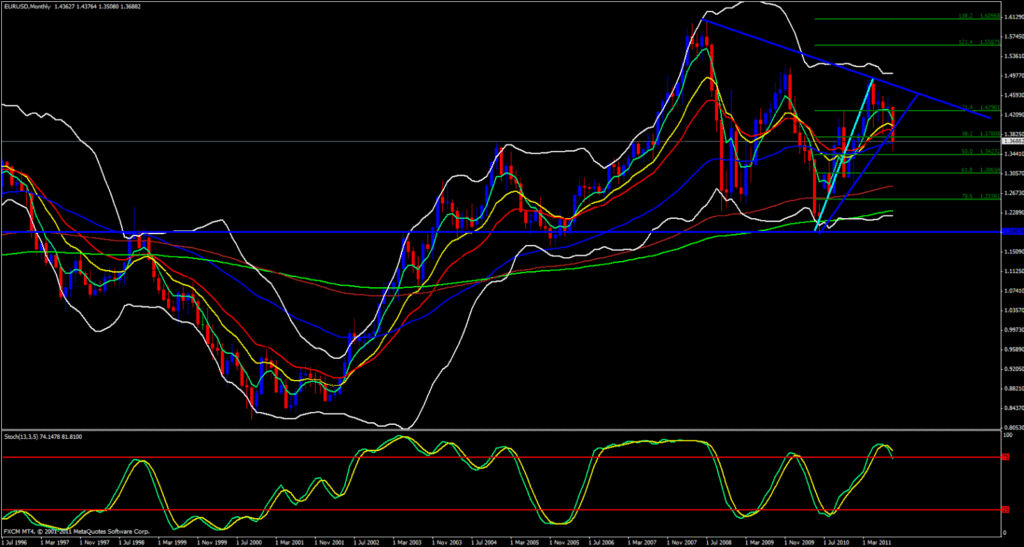
EUR/USD market overview: This independently structured analysis turns the source snapshot into a practical decision framework. Rather than treating one candle or one headline as a trade signal, the focus is on confirmation, invalidation and risk control. The source snapshot referenced figures such as 1, 2008, 55, 144, 5, 13; traders should verify any time-sensitive macro data before acting on it.
Key Takeaways
- The working bias is balanced, but confirmation matters more than prediction.
- Important reference prices from the source snapshot include 1.3900, 1.4000, 1.2200, 1.2300.
- A breakout should be judged by the close, follow-through and whether price can hold beyond the broken area.
- Risk should be defined before entry; a technically attractive setup can still fail during news or thin liquidity.
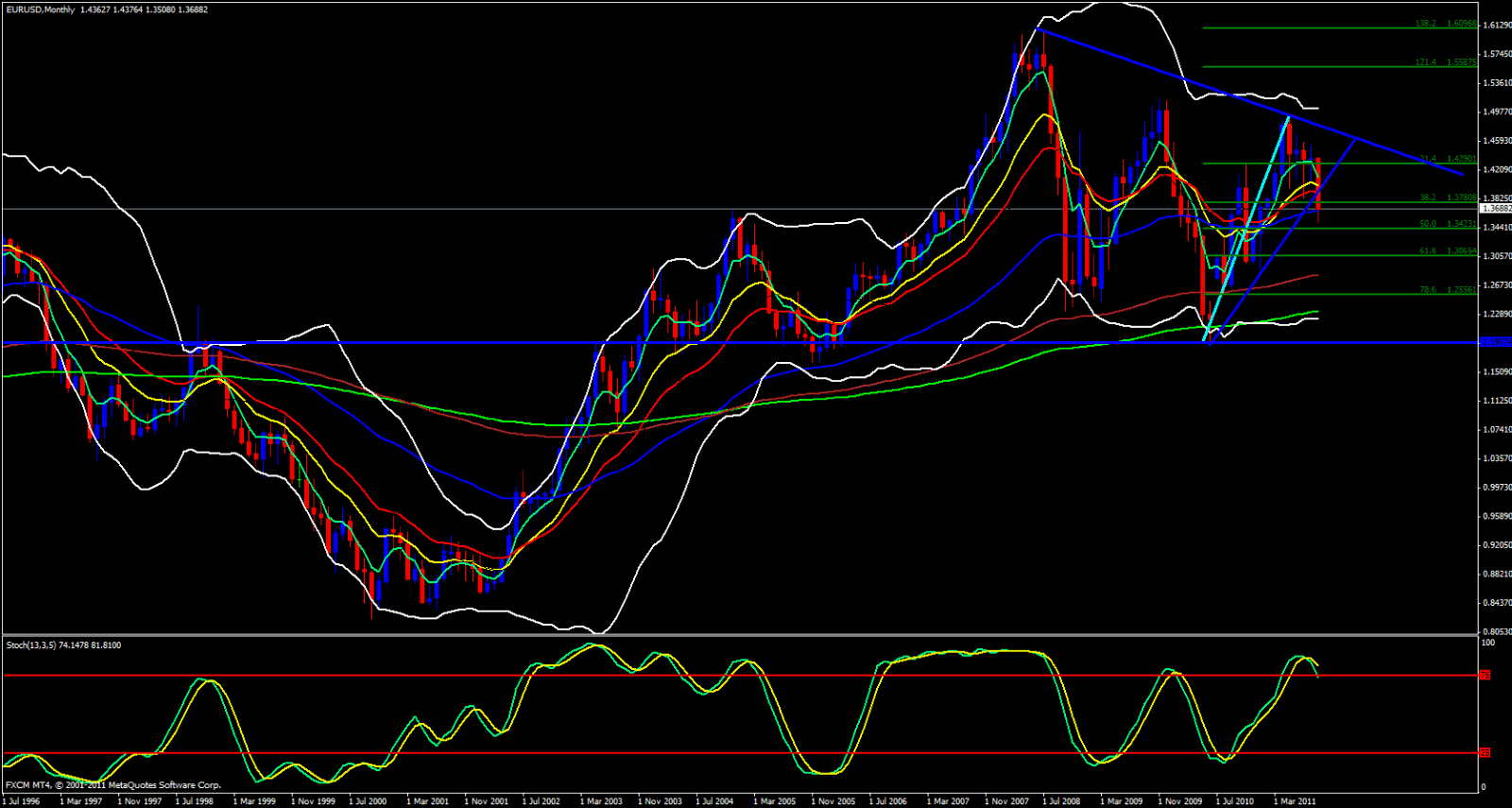


EUR/USD Technical Picture
Price action is best read as a sequence of acceptance and rejection around important zones. A brief move through support or resistance is not enough by itself. Traders can look for a decisive close, a retest that respects the level, and follow-through in the same direction. When those elements are absent, the probability of a false breakout or range continuation increases.
For this snapshot, the most useful reference area is built around 1.3900, 1.4000, 1.2200, 1.2300. These levels should be treated as zones rather than exact single-price barriers because spreads, volatility and intraday liquidity can produce temporary overshoots.
Bullish Scenario
A stronger bullish case develops if buyers reclaim nearby resistance and keep price above it on a closing basis. The quality of the move improves when the breakout is followed by a controlled pullback rather than an immediate reversal. Traders may then use the next visible resistance or prior swing high as a logical area to reassess momentum.
What Would Confirm the Bullish Case?
Useful confirmation can include a higher low after the breakout, improving momentum during active market hours, and failure of sellers to push price back beneath the reclaimed zone. If price repeatedly closes back inside the old range, the bullish thesis becomes weaker.
Bearish Scenario
The bearish case becomes more credible if support gives way and sellers can hold price below the broken area. A retest from underneath can be more informative than chasing the first sharp candle. If downside momentum expands while rebounds remain shallow, attention can shift toward the next support zone or previous swing low.
What Would Invalidate the Bearish Case?
A sustained recovery above the breakdown area, especially with consecutive closes and a higher low, would reduce the quality of a short-side setup. Invalidation should be decided before entry rather than moved farther away after the trade is losing.
Fundamental and News Risk
Currency prices can move sharply when expectations for interest rates, inflation, employment or central-bank policy change. A technically clean setup may therefore behave differently around major scheduled releases. Before trading, check the current economic calendar and distinguish between a move driven by normal liquidity and one driven by fresh macroeconomic information.
Practical Trading Plan
Start with the higher-time-frame direction, mark the nearest support and resistance zones, and wait for price to show whether those areas are being accepted or rejected. For an entry, require a trigger that can be clearly invalidated. The stop should reflect the structure of the setup, while position size should be adjusted so that one failed idea does not create disproportionate account damage.
For short-term traders, this approach is usually more robust than entering simply because price touched a level. For swing traders, the same framework can be applied with wider zones and confirmation from daily or four-hour closes.
Risk Management Checklist
- Define entry, invalidation and target before opening the position.
- Avoid increasing risk merely because a trade moves against the original idea.
- Check spreads and liquidity around session changes and major news.
- Use position sizing that fits account equity and stop distance.
- Reassess the thesis when market structure changes instead of defending an outdated bias.
Related Analysis
- EUR/USD Analysis: Market Outlook, Key Levels and Trading Scenarios
- EUR/USD Analysis: Market Outlook, Key Levels and Trading Scenarios
Frequently Asked Questions
Is EUR/USD bullish or bearish in this analysis?
The snapshot has a balanced starting bias, but the actionable direction depends on whether price confirms or invalidates the nearby support and resistance structure.
Should traders enter immediately after a breakout?
Not necessarily. Waiting for a close, follow-through or retest can help distinguish a genuine break from a temporary liquidity sweep.
Why can the forecast fail even when the chart setup looks strong?
Technical setups express probabilities, not guarantees. Unexpected news, changing rate expectations, liquidity conditions and broader risk sentiment can quickly alter the market structure.
Educational content only; not individualized investment advice. Market conditions may have changed since the source snapshot date of 09/19/2011 12:19:00.